


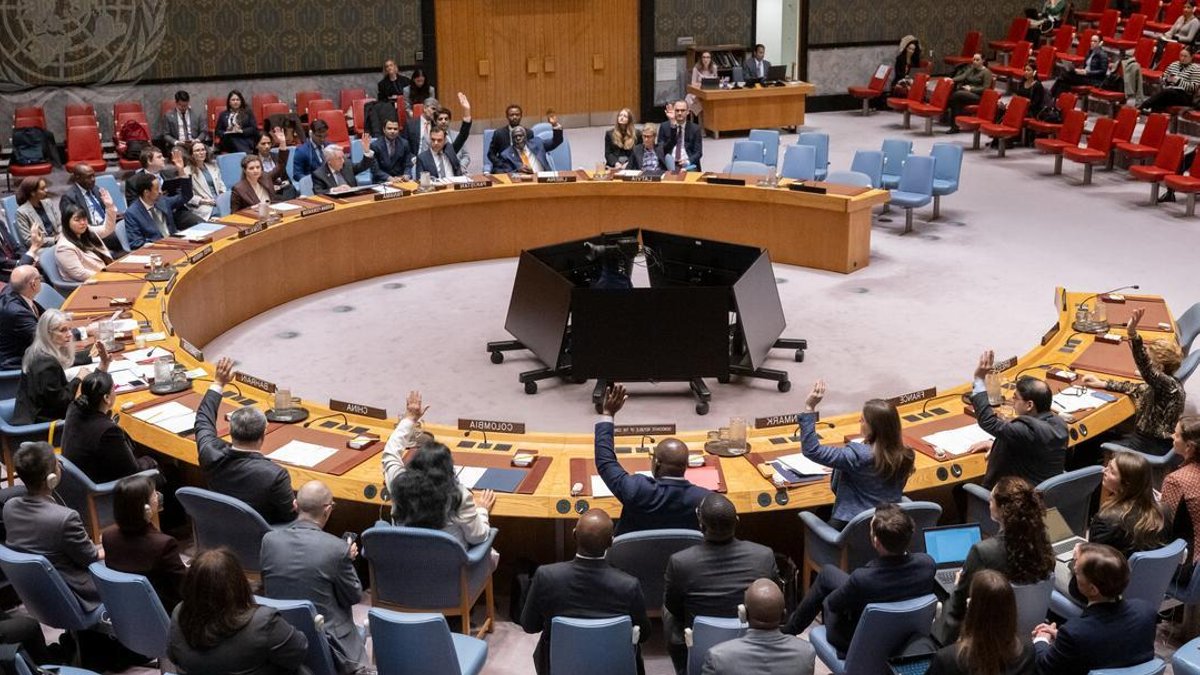
The United Nations Security Council recently renewed the mandate of the U.N. Assistance Mission in Afghanistan (UNAMA) without controversy. This renewal was notable not for the decision itself, but for who led the talks. For the first time, China stepped forward as the uncontested “penholder”—the member state responsible for guiding the council’s discussions on the file. This marks a significant shift in how Beijing approaches multilateral diplomacy, moving from the sidelines to the center of negotiations on a high-profile issue.
This role is usually held by the U.S., France, or the United Kingdom, which gives those nations the informal power to set the agenda on country-specific mandates. China has historically shied away from this responsibility despite its rising global power. Experts who watch the Security Council had been puzzled by this reluctance, often noting that Beijing has interests in these regions but avoids the diplomatic limelight. The UNAMA renewal looked like low-hanging fruit for Beijing, a way to boost its profile without tussling directly with Western veto powers.
Negotiations and Budget Cuts
The path to renewal was not smooth. In 2025, China and Pakistan backed one resolution on the mission, while South Korea and the U.S. supported an alternative text. Both sides had no significant substantive differences, but the infighting created a delay. Denmark, the rotating council president at the time, stepped in to get the resolution passed, leaving the question of leadership murky for future talks.
Related: Trump Faces Multiple Legal Challenges
The Trump administration, which had just slashed UNAMA’s budget by 15 percent in December 2025, also pressed for a shorter mandate cycle. U.S. diplomats suggested renewing the mission for only three months instead of a full year. They argued the mission could not realistically achieve its goals under Taliban restrictions and wanted to use the time to restructure its tasks. Beijing, however, pushed for a full one-year extension, signaling that it viewed the mission as essential for stability in the region.
While the U.S. sought to use budgetary pressure to force changes or cuts to the mission’s scope, China’s willingness to accommodate U.S. procedural demands—such as a shorter mandate cycle—suggests a strategic calculation to preserve the council’s consensus over asserting hardline positions on Afghan governance. By aligning its initial draft with U.S. priorities—such as thematic buckets for humanitarian aid and human rights—China effectively disarmed Washington of its most credible source of leverage during the rest of the talks.
A Calculated Shift in Posture
China shifted from accommodation to a more impartial broker once it circulated the draft text to all council members. The revised mandate was cut in half and reorganized into five streamlined sections, including humanitarian assistance, politics, and human rights. Most diplomats felt that this structure reduced the text without jeopardizing the core of UNAMA’s work. Beijing also accepted a range of inputs from other members on gender issues and climate, often sidelining its own national positions to keep the group moving.
Related: Louisiana Property Damage Attorney: Storm and Flood Damage Specialists
The final hurdle was the “strategic review” that the U.S. had floated. Diplomats had signaled some willingness to accommodate the study but balked at linking its outcome to debates about the mission’s future, which could have set up a scenario to close the mission. Chinese officials met bilaterally with council members, including the Americans and Russians, to work out a way to characterize the study that focused solely on evaluating the mission’s internal operations and coordination challenges.
This compromise opened the way for the council to approve the revised mandate on June 15. China has emerged from the negotiations with UNAMA largely intact. Its approach allowed Beijing to present itself as a responsible diplomatic actor, though it remains to be seen if it will seek the penholder role on other files where it does not enjoy such strong regional support.


