
Diamond in the Oceanic Lithosphere: Exploring Volcanic Diamonds and Diamonds in Ophiolites
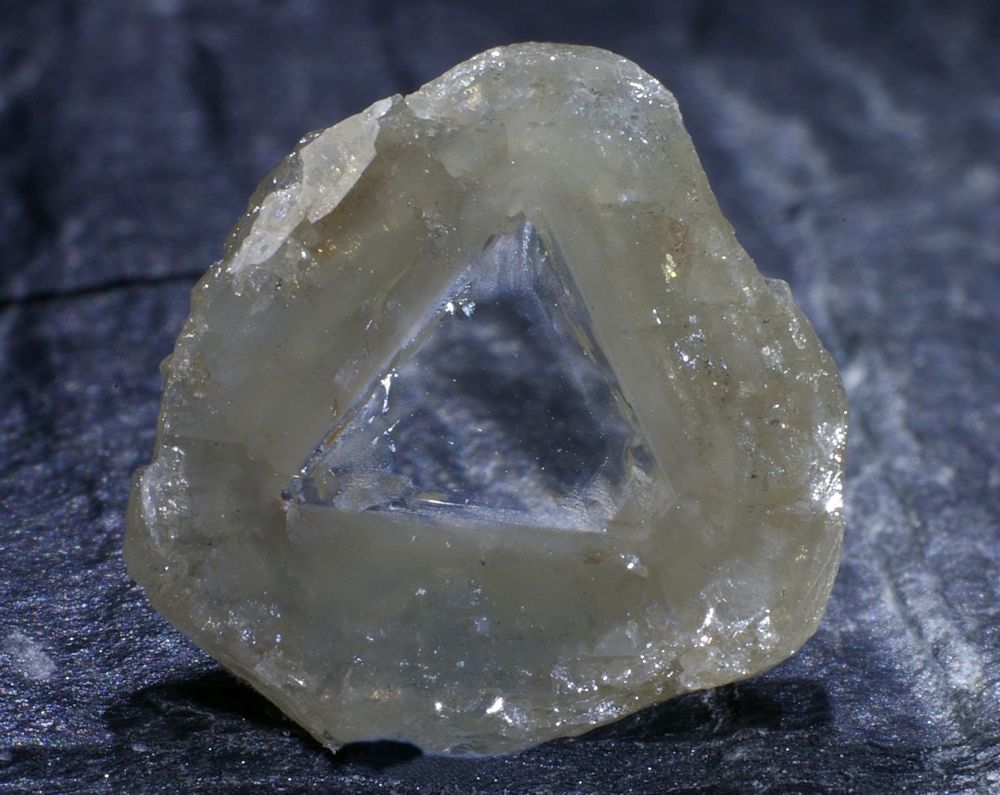
Diamonds, renowned for their exquisite beauty and rarity, have captivated the human imagination for centuries. While natural diamonds are predominantly associated with land-based mining, there is another fascinating aspect of diamond exploration: the discovery of diamonds in the oceanic lithosphere. In this article, we delve into the intriguing world of volcanic diamonds and diamonds found in ophiolites, and their significance in the realm of fine jewelry, including Moissanite engagement rings.
Volcanic diamonds, as the name suggests, are diamonds that originate from volcanic activity. These precious gemstones are formed deep within the Earth’s mantle under immense heat and pressure. Through volcanic eruptions, diamonds are brought to the surface, where they can be found in volcanic rocks such as kimberlites and lamproites. These volcanic pipes act as conduits, transporting diamonds and other minerals from the mantle to the Earth’s crust.
The discovery of volcanic diamonds has been significant in the world of jewelry. These diamonds often possess unique characteristics and exceptional coloration due to their formation process. The volcanic environment can introduce trace elements and impurities into the diamond’s crystal lattice, resulting in a wide range of hues, including rare and highly sought-after fancy colored diamonds. The exceptional beauty and rarity of these diamonds make them a desirable choice for those seeking distinctive and captivating gemstones, such as for moissanite engagement rings.
Another intriguing source of diamonds is ophiolites, which are sections of oceanic lithosphere that have been uplifted and exposed on land due to tectonic activity. Ophiolites contain various rocks and minerals, including diamonds, which were formed in the mantle beneath the oceanic crust. These diamonds are believed to have originated from the deep mantle and were subsequently transported to the Earth’s surface through tectonic processes.
The discovery of diamonds in ophiolites has provided valuable insights into the geological processes that shape our planet. It has allowed scientists to study the origins and properties of diamonds in a unique geological setting. These diamonds often have distinct characteristics and compositions, which can differ from those found in traditional land-based deposits. Their inclusion in fine jewelry, such as moissanite engagement rings, offers a connection to the extraordinary geological history and natural wonders of the oceanic lithosphere.
It is important to note that while volcanic diamonds and diamonds in ophiolites are fascinating, they are relatively rare compared to diamonds from traditional land-based sources. Land-based mining remains the primary method for diamond extraction due to the accessibility and abundance of deposits. However, the discovery of diamonds in the oceanic lithosphere highlights the diverse geological processes at work and the potential for future exploration in these unique environments.
In conclusion
The presence of diamonds in the oceanic lithosphere, including volcanic diamonds and diamonds in ophiolites, offers a captivating glimpse into the remarkable world of Earth’s geological history. These diamonds, with their distinctive characteristics and origins, are highly prized in the world of fine jewelry, including moissanite engagement rings. Their exceptional beauty and rarity make them a symbol of enduring love and natural wonder. As we continue to explore and understand the complexities of the Earth’s lithosphere, these diamonds serve as a testament to the extraordinary forces that shape our planet.
